December 1, 2025
Remodeling a bathroom can be an exciting yet daunting task. It requires careful planning and consideration of various factors to ensure a successful outcome. Creating a space that is both functional and aesthetically pleasing involves understanding your personal preferences as well as making practical decisions. With a strategic approach, you can transform your bathroom into a sanctuary that adds value to your home. Let's explore the key elements you should keep in mind when embarking on your bathroom remodeling journey.
1. Your Budget
Establish a Realistic Budget
One of the first steps in planning a bathroom remodel is to establish a realistic budget. Understanding the average cost of remodeling projects can help you set appropriate financial boundaries. By researching averages, such as labor costs and material expenses, you can better allocate your resources. Remember, unexpected costs might arise, so it's wise to factor in a buffer for unforeseen expenses. According to Today's Homeowners, Americans spent around $427 billion on home improvement projects in 2022, highlighting the importance of well-planned budgeting in renovation works.
Prioritize Spending
Prioritizing spending is crucial when embarking on a bathroom remodeling project. Focus on elements that provide the most functionality and aesthetic value. Consider which aspects are essential, such as plumbing updates or new fixtures. Allocating funds to key features ensures that you achieve the desired outcome without compromising on quality. By strategically prioritizing, you can balance need with want, ultimately enhancing both the utility and beauty of your bathroom.
Consider Hidden Costs
During the project, hidden costs are sometimes unavoidable. These may include expenses related to structural repairs, mold remediation, or unexpected plumbing issues. Being aware of potential hidden costs allows you to plan more effectively and avoid budget overruns. Including an extra percentage of your budget for these unforeseen challenges can alleviate stress and ensure the project continues smoothly. Preparedness is key to navigating the financial complexities inherent in bathroom renovations.
2. Layout and Space Optimization
Assess Current Layout
Evaluating the existing layout is a foundational step in a bathroom remodeling project. Understanding what currently works and identifying inefficiencies helps direct the renovation plan. Consider the placement of fixtures, the flow of the room, and any current limitations. Analyzing these elements provides a framework for improvements and potential changes. This thorough assessment guides strategic decisions, ensuring optimal use of the available space.
Maximize Space Efficiency
Space efficiency is essential in bathroom design, especially in smaller spaces. Incorporating compact fixtures and innovative storage solutions can make a significant difference. Utilizing vertical storage, such as shelves or cabinetry, can free up floor space and reduce clutter. Additionally, features like corner sinks or wall-mounted toilets can enhance the usability of the room. These modifications support a streamlined, organized area that maximizes every square inch.
3. Style and Design
Choose a Cohesive Theme
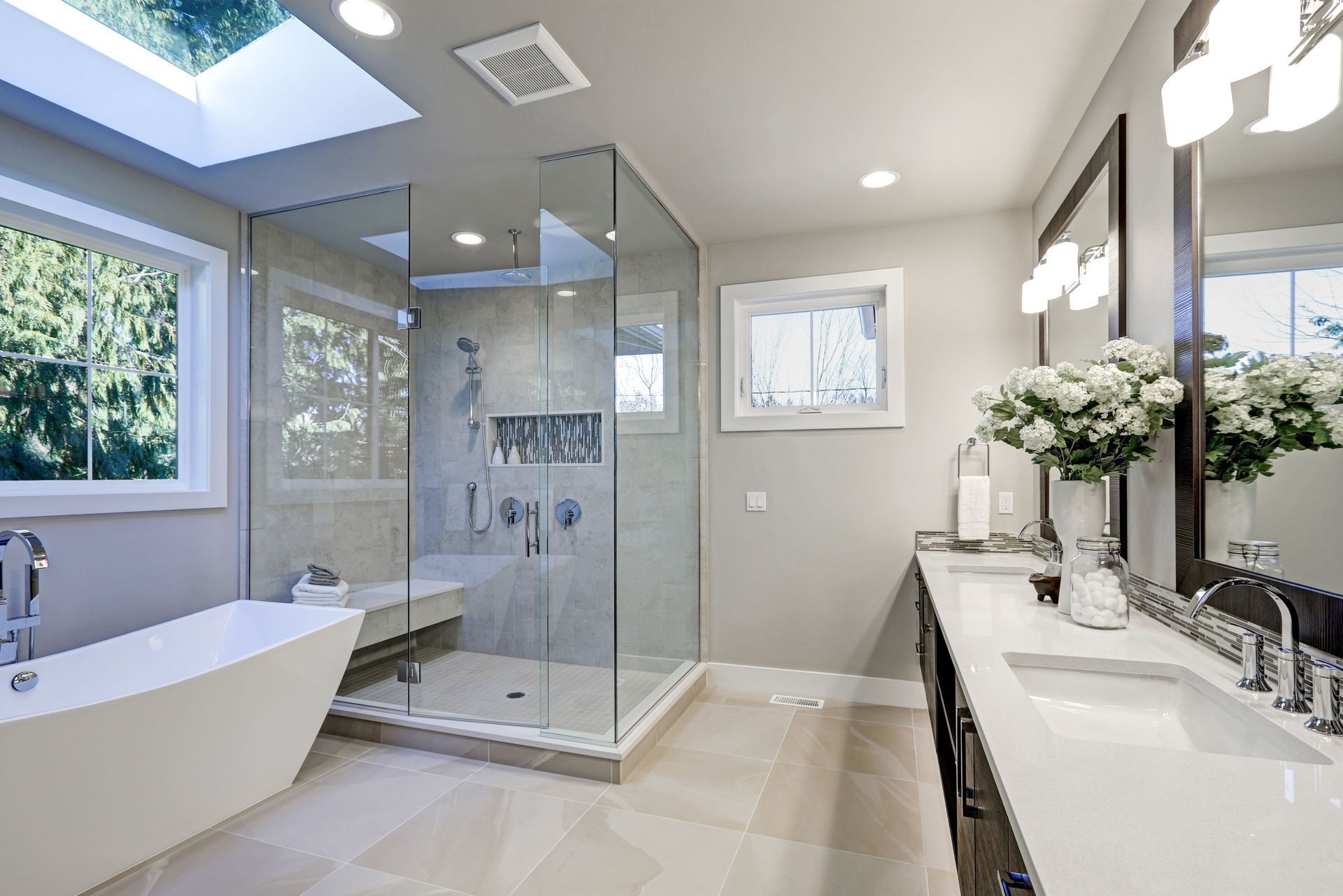
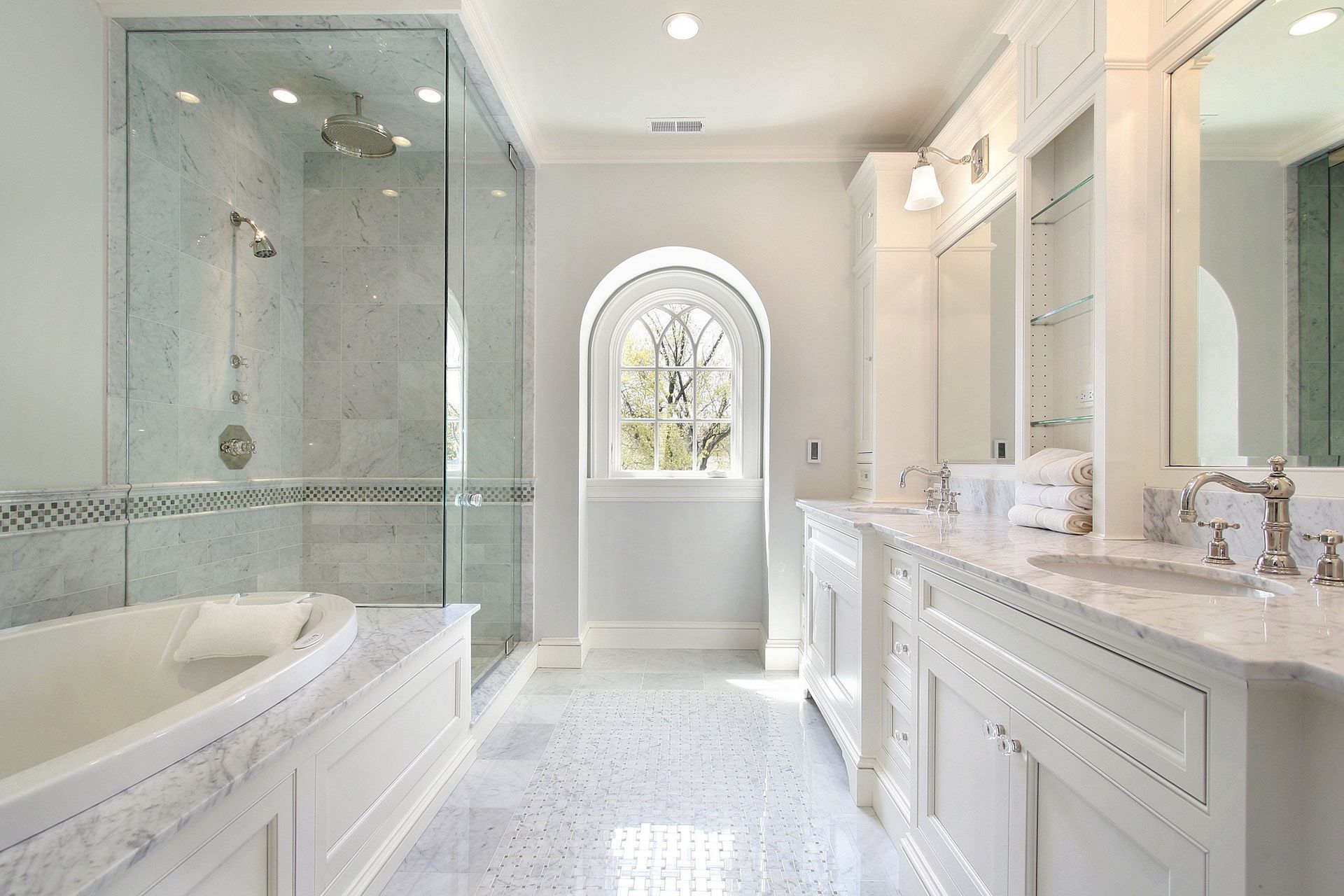
Selecting a cohesive design theme establishes a harmonious bathroom atmosphere. Consider how the bathroom integrates with the overall style of your home to ensure a seamless transition. Alignment in design style provides visual continuity, enhancing the overall aesthetic appeal. Whether you choose modern minimalism or classic elegance, a cohesive theme organizes elements in a visually pleasing manner. A unified style contributes to an inviting and aesthetically consistent environment.
Color Scheme Selection
Color choice significantly impacts the mood and ambiance of a bathroom. Soft, muted tones can create a relaxing and serene space, while bold colors add vibrancy and personality. Consider the lighting and size of the room when selecting your color palette to ensure the best effect. Coordinating colors across walls, tiles, and accessories creates a balanced, cohesive look. Thoughtful color selection sets the foundation for a stylish and comfortable bathroom setting.
4. Plumbing and Electrical Considerations
Assess Plumbing Needs
Evaluating existing plumbing is critical in planning a bathroom remodeling project. Accurately mapping current plumbing infrastructure informs the project scope and identifies necessary changes. Updating outdated plumbing systems can prevent future issues and ensure efficient operation. Consider potential plumbing relocations to support layout changes or improved functionality. A comprehensive assessment ensures that the project aligns with technical needs and long-term reliability.
Upgrade Fixtures
Updating fixtures is pivotal in elevating both form and function. Modern, water-efficient fixtures contribute to sustainability and cost savings. New designs deliver enhanced performance with improved durability and aesthetics. Upgrading sinks, toilets, and showerheads supports water conservation and stylish updates. Prioritizing high-quality fixtures ensures a balance of efficiency and design satisfaction.
Electrical Upgrades
Electrical enhancements can significantly impact a bathroom remodel. Ensuring circuits support new lighting and appliance needs avoids overloading and ensures safety. Installing additional outlets or adjusting placement to accommodate changes in layout enhances functionality. Modernizing electrical systems ensures compatibility with smart appliances for a tech-forward design. Skillful integration of electrical upgrades enhances the bathroom's safety, capability, and aesthetic, while meeting evolving needs.
Sustainability and Efficiency
Energy-Efficient Lighting
Choosing energy-efficient lighting contributes to sustainability and cost reduction. LED lights consume less electricity, providing brighter illumination for smaller energy outputs. Layering different light sources can enhance aesthetics and functionality while maximizing efficiency. Sustainable choices, like LED, have longer lifespans and reduce waste through reduced frequency of replacements. Opting for energy-efficient lighting reflects both environmental consciousness and financial savings.
Water Conservation
Installing water-saving fixtures is environmentally and financially beneficial. Low-flow toilets, taps, and showerheads efficiently minimize water consumption without compromising functionality. Innovative sensor faucets and dual-flush systems provide advanced water conservation measures. Sustainable decisions that support water preservation address ecological concerns and manage utility expenses. Mindful implementation of water-efficient fixtures enhances both the environment and the wallet.
Sustainable Materials
Selecting eco-friendly materials supports environmental responsibility and health. Sustainable options, like recycled glass tiles or bamboo flooring, embody sustainability and visual beauty. Durable, sustainable resources often come with reduced long-term ecological impact, maintaining aesthetic interest over time. Emphasizing responsibly sourced, non-toxic materials expands sustainable design influence in the home. The integration of sustainable materials elevates the project's ethical and aesthetic quality.
6. Regulatory Compliance and Permits
Understand Local Codes
Familiarizing yourself with local codes is a critical precursor to starting a bathroom remodeling project. Building, plumbing, and electrical codes vary regionally and must be adhered to through each renovation phase. Compliance ensures the safety and legality of all changes made during the process. Understanding and incorporating these standards guarantees structural integrity and seamless inspections. Building a foundation of regulatory knowledge prevents legal complications and supports successful project execution.
Obtain Necessary Permits
Securing necessary permits aligns the project legally and technically. Acquiring permits before construction begins supports legal compliance. Ignoring permit requirements can incur fines or necessitate costly, disruptive post-build corrections. Coordinating with local authorities preemptively ensures the process proceeds without unexpected regulatory setbacks. Ensuring legally obtained permits reflects a commitment to responsible project management.
Compliance With Safety Standards
Incorporating safety standards in the project protects users and ensures compliance. Integrating features such as non-slip surfaces or strategically placed grab bars prioritizes safety. Embedding safety considerations into design and construction forms a protective layer against accidents. Comprehensive safety adherence ensures confidence for users, reducing injuries and associated liabilities. Understanding and integrating safety precautions is crucial for a reliable, user-friendly bathroom experience.
A bathroom remodeling project requires attention to numerous factors, from budgeting to design and regulatory adherence. By carefully planning and considering each aspect discussed, you'll be well on your way to creating a bathroom that meets your needs and adds value to your home. If you're ready to get started with an updated bathroom, reach out to New Dream Renovations today for a free estimate!